Checking Out the Multifaceted World of Firm Details
In today's international economy, recognizing firm details is important for capitalists, specialists, consumers, and business owners alike. A corporation, necessarily, is a lawful entity that is separate from its owners, with the capability to possess possessions, sustain obligations, and market shares. Corporation information incorporates a vast range of information, consisting of financial reports, monitoring frameworks, calculated campaigns, and market performance. Accessing and assessing this details allows stakeholders to make enlightened decisions pertaining to investments, collaborations, and work possibilities. The transparency of such details is typically mandated by law, specifically for openly traded firms, making certain that all tasks are conducted under the scrutiny of regulative bodies and the public eye.
The deepness of firm information readily available can be frustrating, ranging from annual reports to profits launches, and from market evaluations to regulative filings. Financial statements such as balance sheets, earnings declarations, and cash money flow statements provide insights into a business's monetary health and functional performance. These documents are essential for assessing a company's earnings, liquidity, and monetary stability. On another front, understanding a company's administration structures— including its board of directors, exec payment, and investor interactions— is important for assessing its management and honest position. In the period of electronic info, technical tools and systems have emerged that simplify the process of gathering and translating substantial amounts of data, enabling stakeholders to keep a finger on the pulse of company characteristics and market trends.
Comprehending the Basics of Company Structure
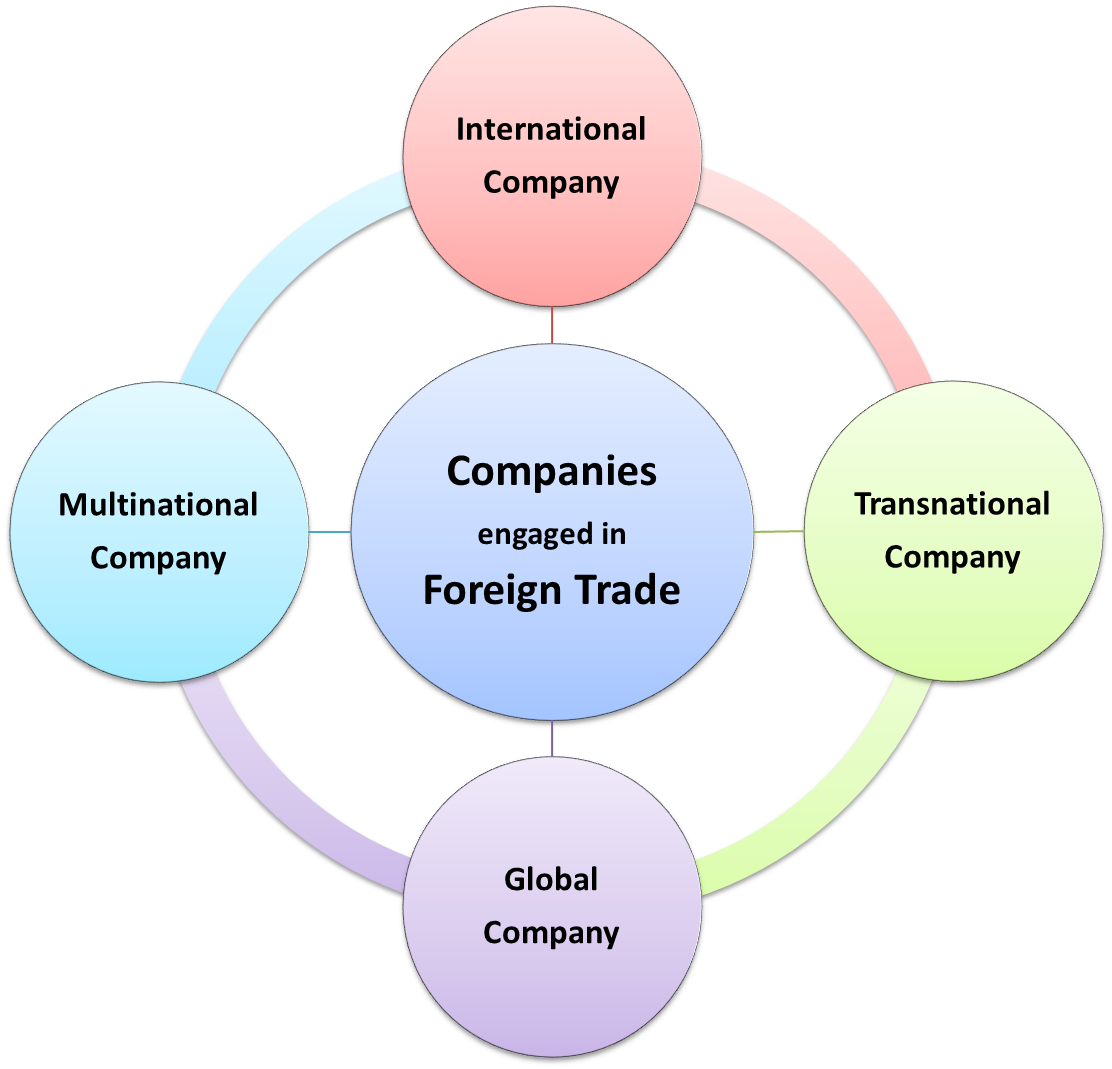
At its core, a company is a complicated yet thoroughly arranged entity, developed to manage a large variety of organization tasks while stabilizing the passions of its stakeholders. This entity is legitimately distinctive from its proprietors, providing a vital layer of responsibility protection which motivates financial investment and risk-taking. The corporate structure is usually hierarchal, with a board of supervisors on top making tactical choices, looking after management, and making sure conformity with governing standards. Listed below the board, the day-to-day procedures are handled by supervisors and executives that manage everything from money and marketing to item development and human resources. Each degree of this framework plays a crucial function in guaranteeing the firm runs smoothly and effectively, achieving its calculated and financial goals. Furthermore, companies are not fixed entities; they must adjust to changing economic problems, evolving modern technology, and changes in customer preferences. This vibrant nature of service needs that corporations are not only efficient yet likewise highly versatile, able to pivot their methods and procedures in action to brand-new challenges and opportunities. Understanding a company's framework is critical not just for those within the business but additionally for investors, rivals, and regulators who are browsing the complicated web of contemporary organization.
Recognizing Business Framework and Administration
Understanding the ins and outs of company structure and governance is crucial for understanding how firms run within the worldwide economy. At the core of every company exists its business framework, which dictates the hierarchy and the distribution of duties and duties. Normally structured via a board of supervisors on top, administration layers under, and functional team performing everyday tasks, each level plays a critical duty in the smooth performance of the firm. The board of supervisors, chosen by shareholders, holds the ultimate authority in corporate administration, accountable for the critical direction and oversight of the administration. Management, led by the Chief Executive Officer (CHIEF EXECUTIVE OFFICER), performs the board's instructions and oversees the company's daily procedures, making critical decisions that impact the company's future. Below the magnates are various departments such as money, HR, and advertising, each led by elderly managers who add to the organization's purposes by taking care of sources and staff effectively. This hierarchical setup, while typical, varies in intricacy and size depending upon the company's range, with international giants promoting more intricate frameworks to manage their comprehensive operations worldwide. Recognizing these characteristics is important not only for those straight associated with corporate administration but additionally for policy-makers, stakeholders, and capitalists who engage with these entities on numerous platforms.
Understanding Corporate Framework and Administration
Comprehending the ins and outs of corporate structure and administration is vital for any person aiming to dive right into the globe of service. A company is normally structured into different layers that identify how choices are made and just how business operates on an everyday basis. On top of this power structure is the board of directors, liable for making one of the most important decisions affecting the firm's future and overseeing the basic program of organization. The board's duties consist of setting high-level plan, choosing the chief exec policeman (CEO), and making tactical decisions. Straight underneath the board is the exec administration team, headed by the chief executive officer, that handles the application of policies and the administration of the firm's daily operations. The chief executive officer leads a team of senior execs, each supervising specific divisions such as money, advertising, personnels, and procedures. These executives are essential in ensuring that the firm's tactical goals align with its operational capabilities and that the corporation continues to be certified and successful with all regulatory requirements. The middle monitoring layer adheres to, which functions as the bridge in between the company's elderly execs and its wider workforce. This level of management is vital for equating upper-level strategies into actionable jobs that can be executed by the workers. Workers, the fundamental level of the corporation, accomplish the day-to-day tasks that keep the firm running. They are typically specialized in certain locations of the company and add to the organization's overall success with their experience and tough work. The interactions in between these layers of management and the circulation of information between them are managed by interior business administration guidelines. These policies aid maintain equilibrium and check within the firm, making certain that every level runs successfully and fairly. Recognizing these components of corporate structure and administration is essential not only for those directly associated with business world but additionally for capitalists, regulators, and policymakers who look after and interact with these entities.
Strategic Development and Future Trajectory of Companies
In the ever-evolving landscape of worldwide business, firms are frequently looking for innovative techniques to ensure lasting growth and preserve an one-upmanship. As these entities browse via various financial cycles, technical advancements, and moving customer preferences, the value of critical preparation comes to be paramount. One crucial aspect of corporate approach entails the assimilation of advanced innovations such as expert system, device discovering, and blockchain, which can dramatically change functional efficiencies and open new opportunities for product or services shipment. Firms are significantly focusing on sustainability and company social duty (CSR) as important elements of their company versions. This change is not almost ethical method however is additionally driven by consumer demand for ecologically pleasant and socially conscious items. fidelity national information services inc. annual report is the globalization of operations which urges firms to adjust to a selection of social, regulatory, and economic environments. This international growth requires a deep understanding of regional markets and the capacity to introduce products and services that reverberate with varied customer bases. Critical partnerships and mergers and acquisitions continue to be critical in scaling operations and going into brand-new markets, giving corporations with necessary resources and abilities to sustain their growth trajectories. As companies prepare for the future, they should likewise emulate the prospective interruptions from geopolitical stress, financial instability, and pandemics, all of which need robust risk monitoring techniques. For that reason, the future trajectory of firms will likely rest on their capacity to be agile, adjust to rapid adjustments, and continually transform themselves in action to brand-new challenges and opportunities.